
You open your credit card statement and something is off. There’s a charge you don’t recognize — maybe it’s a duplicate, a fraudulent transaction, or a merchant who never delivered what you paid for. Whatever the reason, you have every right to dispute it. The good news: federal law is on your side. The Fair Credit Billing Act (FCBA) gives you powerful tools to challenge incorrect charges and, in most cases, get your money back. But you need to know the right steps and timelines to win.

What Qualifies as a Disputable Charge
Not every complaint about a charge qualifies for a formal dispute under the FCBA. Understanding what types of charges are disputable helps you build a strong case from the start and set realistic expectations about outcomes.
Billing Errors
Billing errors are the clearest category for disputes and include situations where the amount charged doesn’t match what you agreed to pay. Common billing errors include:
- Being charged the wrong amount for a purchase
- Duplicate charges for the same transaction
- Charges for items or services you never received
- Math errors on your statement
- Failure to post a payment or credit to your account
- Charges on an account you didn’t authorize to be opened
Unauthorized Charges and Fraud
If someone used your card without your permission, whether through card theft, data breach, or account takeover, those charges are unauthorized and disputable. Federal law limits your liability for unauthorized charges to $50 if you report them promptly, and most major card issuers offer zero-liability policies meaning you pay nothing.
Merchandise and Services Disputes
You can also dispute charges when a merchant fails to deliver goods or services as described. This includes: items that never arrived, products significantly different from their description, or services that were never rendered. These disputes require a good-faith attempt to resolve the issue with the merchant first, but if that fails, your card issuer can step in.
How to File a Dispute with Your Card Issuer
Timing and documentation are everything when it comes to disputing a charge. The sooner you act and the more organized your records are, the better your chances of winning.
The 60-Day Rule
Under the FCBA, you have 60 days from the date the statement containing the disputed charge was mailed to you to file a written dispute. This is a hard deadline — missing it significantly weakens your legal protections. Some card issuers accept disputes beyond this window as a courtesy, but don’t count on it. Act as soon as you spot the problem.
How to Contact Your Card Issuer
You have several options for initiating a dispute:
- Online or App: Most major issuers let you dispute charges directly through your online account or mobile app — this is the fastest method and creates an automatic paper trail
- Phone: Call the number on the back of your card; always follow up in writing
- Written Letter: Send a certified letter to the billing inquiries address listed on your statement — not the payment address
What to Include in Your Dispute
Whether you’re disputing online or in writing, include: your name and account number, the specific charge (date, amount, merchant), a clear explanation of why the charge is incorrect, and any supporting documentation such as receipts, order confirmations, email correspondence with the merchant, or screenshots. The more evidence you provide upfront, the smoother the process will be.
Your Rights While the Investigation Proceeds
Once you’ve filed a dispute, your card issuer must acknowledge it within 30 days and resolve it within two billing cycles (but no more than 90 days). During the investigation, you are not required to pay the disputed amount, and the issuer cannot report it as delinquent, charge interest on it, or close your account solely because of the dispute.
The Chargeback Process Explained
When your card issuer accepts your dispute, they typically initiate a process known as a chargeback — essentially reversing the transaction and recovering the funds from the merchant’s bank. Understanding how this works helps you set expectations during the waiting period.
What Happens During a Chargeback
Your card issuer investigates the claim, often by contacting the merchant and their acquiring bank. The merchant has an opportunity to respond with their own evidence — such as proof of delivery or a signed authorization. Based on the evidence from both sides, the card issuer makes a determination and either sides with you (provisional credit becomes permanent) or with the merchant (the charge is reinstated).
- Card issuer opens an investigation and may issue provisional credit
- Merchant is notified and given a chance to respond with evidence
- Both sides present documentation supporting their position
- Issuer makes a final decision, usually within 30–90 days
Provisional Credits
Many issuers will apply a provisional credit to your account while the investigation is ongoing. This means the disputed amount is temporarily restored to your available credit. If the investigation resolves in your favor, the credit becomes permanent. If it resolves in the merchant’s favor, the provisional credit is removed and the charge is reinstated.
Tips for Winning Your Chargeback
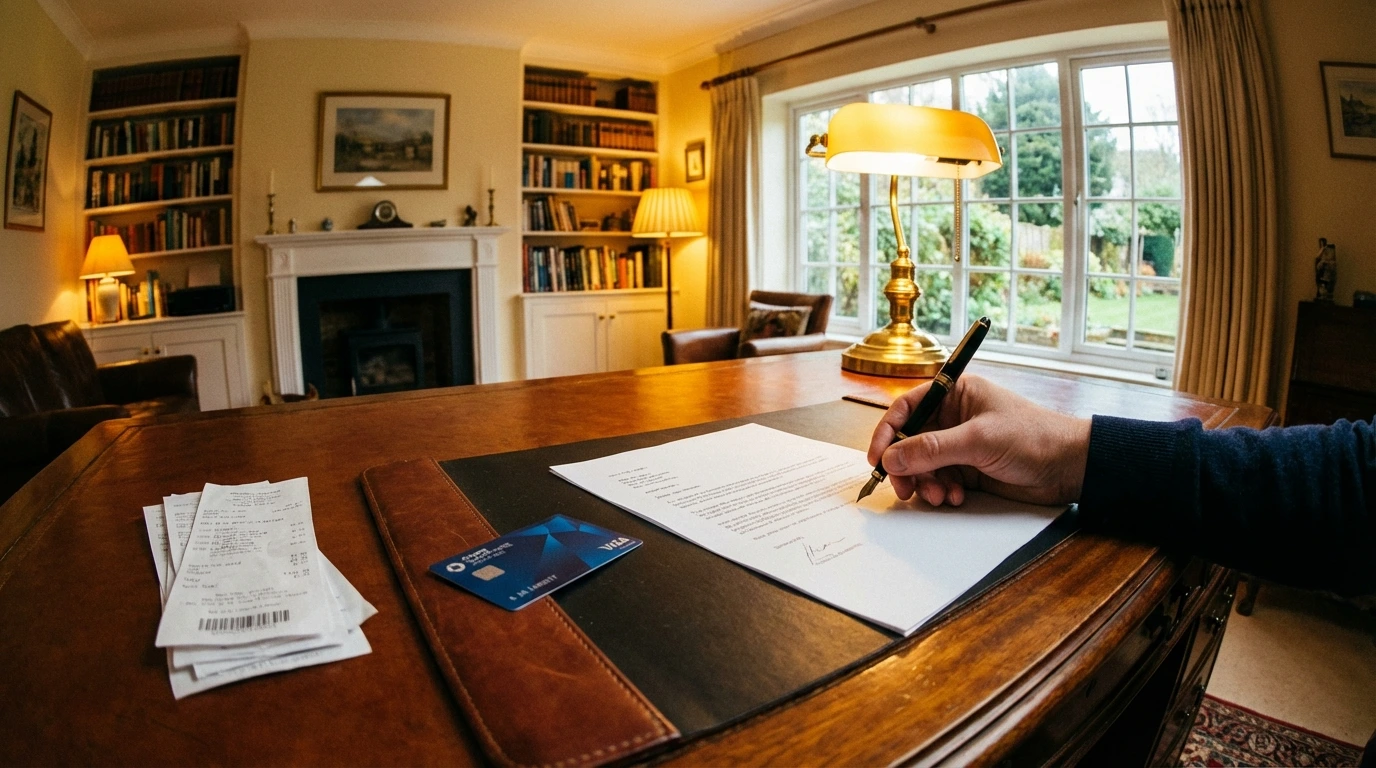
Documentation wins disputes. Keep every receipt, every email, every screenshot of order confirmations, tracking numbers, and any communication with the merchant. If you tried to resolve the issue directly with the merchant first (which is often required for merchandise disputes), document that too. Clear, organized evidence dramatically increases your chances of a favorable outcome.
What to Do If Your Dispute Is Denied
A denied dispute isn’t necessarily the end of the road. You have several options to escalate the situation if you believe the decision was unjust.
Request an Explanation and Re-Dispute
If your dispute is denied, your card issuer must provide a written explanation. Review this carefully — sometimes disputes are denied due to insufficient documentation rather than lack of merit. You can re-dispute the charge with additional evidence. Make sure your new submission directly addresses the reason for denial.
- Read the denial explanation carefully
- Gather additional documentation that addresses the issuer’s concerns
- Submit a new dispute with the strengthened case
- Escalate to a supervisor if needed
File a Complaint with the CFPB
If you believe your card issuer handled your dispute unfairly, you can file a complaint with the Consumer Financial Protection Bureau (CFPB) at consumerfinance.gov/complaint. The CFPB forwards complaints to the company and tracks their response. Card issuers take CFPB complaints seriously because their compliance records are monitored.
Consider Small Claims Court
For larger disputed amounts, small claims court is a viable option. Filing fees are low, you don’t need a lawyer, and courts often side with consumers who bring well-documented cases. Small claims limits vary by state but are typically $5,000–$10,000, which covers most credit card disputes.
Conclusion
Disputing a credit card charge doesn’t have to be intimidating. Federal law provides strong protections for cardholders, and most legitimate disputes are resolved in your favor when you act quickly and document everything carefully. The key steps are simple: identify the charge, contact your issuer within 60 days, provide clear evidence, and follow up persistently. Whether it’s a billing error, unauthorized transaction, or undelivered merchandise, you have real tools and legal rights on your side. Don’t let incorrect charges drain your account — take action the moment you spot something that doesn’t look right, and approach the process with confidence and preparation.
Read more at https://en.icardin.com/
